

Most cone crusher problems look like parts problems on the surface. The ones that keep coming back despite repeated parts replacements are almost always system problems, and solving system problems requires someone who understands the full machine.
Full machine crusher engineering support is built around exactly that understanding. Rather than treating each component in isolation, it applies knowledge of how the complete cone crusher system works, how its components interact, and how changes in one part of the system affect performance across the rest of it. For mining operations dealing with recurring problems, persistent performance gaps, or decisions that feel more complex than a parts catalog can resolve, that systems-level perspective changes what’s possible.
Why Parts-Level Knowledge Isn’t Enough for Complex Crusher Problems
Parts-level knowledge is sufficient for straightforward replacement decisions. When a component reaches the end of its service life and needs to be swapped for a compatible replacement, knowing the part number, the dimensional spec, and the lead time is enough to get the job done.
The limit of parts-level knowledge shows up when the problem isn’t a simple wear-out event. When throughput is declining without an obvious cause. When a component is failing faster than it should and the cause isn’t visible on the component itself. When a design change in one part of the machine is creating unexpected consequences elsewhere. When a performance optimization requires understanding how multiple variables interact rather than addressing each one separately.
Those are the situations where cone crusher engineering support at the system level produces fundamentally different outcomes than a parts-based approach. A supplier who knows the part can tell you what to replace. A partner who knows the full machine can tell you why it’s failing, whether the replacement will solve the root cause or just reset the symptom, and what else in the system needs attention to prevent the next failure.
What Full Machine Crusher Engineering Support Actually Covers
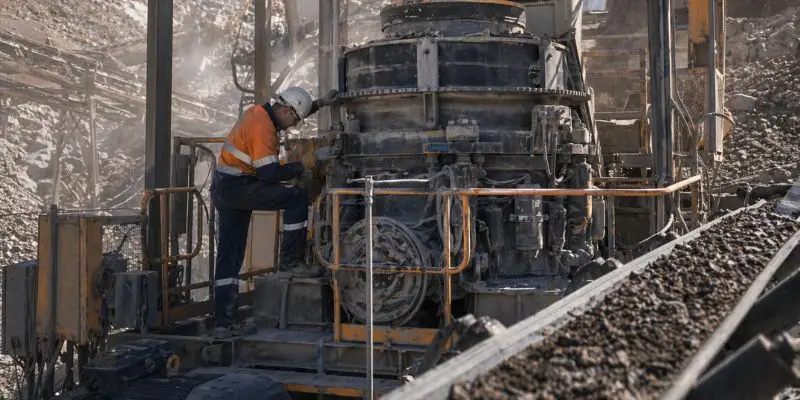
Full machine crusher engineering support covers the complete mechanical and operational system of the cone crusher rather than individual components in isolation. In practice that means engineering knowledge and support capability across every major subsystem of the machine.
The crushing chamber and liner system, including how profile geometry, alloy selection, and operating CSS interact to determine throughput, wear life, and product size consistency. The hydraulic system, including how the tramp release, clearing, and clamping circuits function together and how hydraulic system performance affects crushing chamber behavior. The lubrication system, including how oil flow, temperature management, and filtration affect bearing life and overall machine reliability. The drive system, including how power delivery through the countershaft, eccentric, and main shaft affects crushing force and machine loading. And the structural components, including how the main frame, head, bowl, and supporting structures respond to the loads the crushing process creates.
Understanding how those subsystems interact is what separates full machine crusher engineering support from a collection of component-level expertise. A liner engineer who doesn’t understand the hydraulic system may miss the connection between an underperforming tramp release circuit and the overload events the site is experiencing. A hydraulic specialist who doesn’t understand the crushing chamber may not recognize that a CSS management problem is creating the hydraulic pressure spikes they’ve been asked to investigate.
How Systems-Level Knowledge Changes Troubleshooting and Optimization
The practical difference between parts-level and systems-level crusher knowledge is most visible in two contexts: troubleshooting complex problems and optimizing crusher performance.
In troubleshooting, systems-level knowledge allows an engineer to follow a problem through the machine rather than stopping at the first visible symptom. A cone crusher experiencing frequent overload events, for example, might look like a feed condition problem, a CSS management problem, a hydraulic circuit problem, or a liner profile problem depending on which subsystem you’re looking at when the event occurs. An engineer with full machine crusher engineering support capability can evaluate all of those subsystems together and identify which one is the root cause rather than which one is showing a symptom.
In optimization, systems-level knowledge allows an engineer to identify interactions between variables that a component-by-component approach misses. Liner profile optimization that doesn’t account for how the new profile will affect power draw and hydraulic system loading may produce a liner that improves wear life but creates overload frequency issues that the previous liner didn’t. Full machine cone crusher engineering support anticipates those interactions and designs solutions that work well across the full system rather than improving one metric at the expense of another.
The Operational Outcomes That Only a Full Machine Approach Delivers
There are operational outcomes that full machine crusher engineering support consistently delivers that a parts-focused support model can’t match. These aren’t incremental improvements. They’re qualitative differences in what becomes possible when the engineering relationship covers the complete machine.
Recurring problems get resolved permanently rather than managed repeatedly. When the root cause of a recurring issue is identified at the system level, the fix addresses the condition that creates the problem rather than the symptom it produces. That’s what ends the cycle of repeated interventions that parts-level troubleshooting often creates.
Performance optimization becomes a system-wide exercise rather than a component-by-component effort. When liner profile, CSS management, feed conditions, and hydraulic system performance are all considered together, the achievable improvement in throughput and wear life is significantly greater than what any single variable optimization delivers.
Maintenance planning becomes more accurate and more proactive. An engineering partner who understands the full machine can identify developing issues across multiple subsystems during a periodic review, rather than only identifying the ones visible through the symptoms the maintenance team has already noticed.
Why Most Crusher Problems Look Like Parts Problems Until They Don’t
Here’s a pattern experienced crusher engineers recognize across virtually every type of mining operation: the presenting symptom of a crusher problem almost always points to a part or a component. The root cause almost always involves how that component is interacting with something else in the system.
A liner that’s wearing faster than expected looks like a liner problem. It’s frequently a feed distribution problem, a CSS management problem, or a chamber geometry interaction problem that the liner is absorbing the consequences of. Replacing the liner addresses the symptom. The wear rate on the next liner will be identical unless the underlying system condition is also addressed.
A hydraulic system that’s cycling frequently looks like a hydraulic problem. It’s frequently a crushing chamber loading problem creating pressure spikes that the hydraulic system is responding to correctly, which means the hydraulic system is working as designed while the problem that’s driving it is somewhere else entirely.
This is why full machine crusher engineering support produces better outcomes than component-level expertise for complex or recurring problems. The component-level view sees the symptom. The systems-level view finds the cause. At a large mining operation where the cost of a recurring problem compounds across every production period it goes unresolved, the difference between those two perspectives is worth a great deal.
How to Evaluate Whether a Supplier Has Genuine Full Machine Capability
A supplier claiming to offer full machine crusher engineering support should be able to demonstrate that capability specifically rather than asserting it generally. Four things are worth evaluating directly:
Can their engineers explain how a change in one subsystem of your specific crusher model affects performance in other subsystems? Genuine full machine knowledge produces specific, interconnected answers to this question. Parts-level knowledge produces general or deflected ones.
Do they have engineers who have been involved in the design of complete cone crusher systems rather than only in the design of individual components? OEM design experience at the system level is a strong credibility indicator for full machine support capability.
Can they point to documented cases where their systems-level analysis identified a root cause that a component-level approach had missed? Specific examples are more credible than general claims.
Is their support model set up for ongoing engagement with your machine and your operating conditions, or is it transactional and event-driven? Full machine crusher engineering support is most effective as a continuous relationship rather than an episodic one.
Full machine crusher engineering support is the difference between a supplier who can fill a parts order and a partner who can improve your crushing circuit. For mining operations where the crusher is a critical production asset and recurring problems or performance gaps are costing real production value, that difference is worth pursuing deliberately. Optimum Crush’s engineering team has deep full machine knowledge across the major cone crusher product lines we support, and we apply that knowledge as an ongoing partner rather than a parts transaction. Reach out and let’s talk about what full machine support could mean for your operation.
FAQ
What’s the difference between full machine crusher engineering support and standard aftermarket technical support?
Standard aftermarket technical support is typically focused on the components the supplier sells, providing guidance on installation, troubleshooting symptoms related to those parts, and processing warranty claims when issues arise. Full machine crusher engineering support covers the complete mechanical and operational system of the cone crusher, including subsystems and interactions that may not be directly related to any specific part purchase. The distinction matters most when problems are complex, recurring, or involve interactions between multiple subsystems that component-level knowledge can’t fully address.
How does full machine cone crusher engineering support help with crusher optimization beyond parts selection?
A full machine engineering perspective allows optimization to account for how multiple variables interact rather than addressing each in isolation. Liner profile optimization that also considers its effect on power draw, hydraulic loading, and product size consistency produces better overall outcomes than liner optimization alone. CSS management recommendations that account for how the current liner’s wear stage is affecting chamber geometry and power efficiency are more accurate and more useful than CSS guidance based on the liner spec alone. The full machine view makes optimization a system-wide exercise rather than a component-by-component one.
Can full machine crusher engineering support be provided remotely or does it require on-site presence?
Both remote and on-site delivery are part of a full machine support model. Most ongoing engineering engagement, including data review, operating parameter recommendations, liner selection input, and troubleshooting guidance, is delivered remotely through direct communication with engineers who know your machine and your operating conditions. On-site visits are most valuable for situations that require physical inspection, hands-on troubleshooting, shutdown support, or periodic comprehensive performance reviews. The right balance depends on the operation’s complexity, the nature of the current challenges, and the site’s accessibility.
How do I know if my current crusher problems require full machine engineering support rather than component-level troubleshooting?
The clearest indicator is recurrence. If your maintenance team has addressed the same symptom multiple times without permanently resolving it, the root cause is almost certainly a system-level condition that component-level troubleshooting hasn’t identified. Other indicators include performance gaps that persist despite correct parts and operating parameters, problems that appear to involve multiple subsystems simultaneously, and optimization efforts that improve one metric while creating problems in another. Any of those patterns suggests that a full machine engineering perspective would identify and address something the parts-level view is missing.
 French
  English
  Spanish