



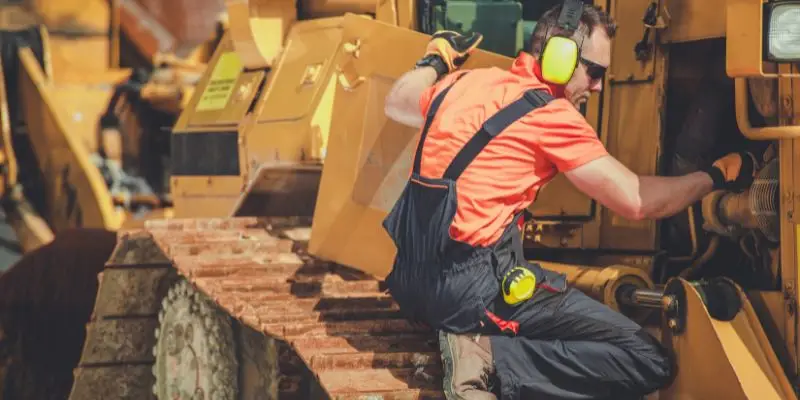
In mining and aggregate operations, your crusher is the heart of production, and downtime is the enemy. But too often, reactive maintenance leads to unnecessary wear, unplanned shutdowns, and budget overruns. That’s where proactive crusher maintenance best practices come in.
With the right plan, you can extend liner life, prevent major failures, and keep your operation running with fewer interruptions, giving you the confidence that your production schedule will stay on track.
Here’s how Optimum Crush helps you stay ahead of the breakdown curve.
1. Maintenance Shouldn’t Start with a Breakdown
The best time to fix a problem is before it becomes one. Ye, too many operations wait until performance drops or failures occur before addressing wear.
A proactive crusher maintenance plan includes:
- Routine inspections of liners and internal components
- Scheduled replacement cycles based on wear trends
- Alignment checks and tension adjustments
By following consistent crusher maintenance best practices, you reduce reactive fixes and stretch the life of your equipment.
2. Use Wear Data to Drive Maintenance
Guesswork leads to early replacements—or worse, catastrophic failure. With data-driven tools like laser scanning and chamber analysis, we help customers understand exactly when to replace parts and how to maximize wear life, empowering you with the knowledge to make informed maintenance decisions.
Pro tip: Document wear patterns on each shutdown to track maintenance needs. Over time, this becomes a powerful tool for predictive planning.
3. Keep the Right Parts in Stock
One of the most common mistakes we see? Great maintenance plans derailed by unavailable parts. A plan is only as good as the parts backing it up.
We help sites:
- Forecast demand based on usage
Stock mission-critical components - Build inventory around real wear rates
Crusher maintenance best practices include aligning your stocking plan with your maintenance schedule, not the other way around.
4. Train the Team Doing the Work
Even the best plan fails if your crew doesn’t understand the why behind it. We offer factory and on-site training so maintenance teams know exactly how to install, inspect, and optimize every wear part, showing them that their skills and knowledge are valued and supported.
Your team should know:
- How to spot abnormal wear
- How to install liners correctly
- When to escalate vs. manage in-house
Because better knowledge means better outcomes.
5. Build Maintenance into Your Culture
The most successful sites we work with treat maintenance as part of their operating strategy, not a separate event. They schedule around it, plan for it, and constantly improve it.
We recommend:
- A monthly maintenance rhythm
- Post-shutdown review meetings
- Continuous improvement based on downtime logs
Crusher maintenance best practices only work if they’re repeatable, trackable, and prioritized across departments.
Let’s Build a Plan That Works
Your wear parts are only as good as your plan to maintain them.
At Optimum Crush, we don’t just sell liners—we help you build smart maintenance routines that extend life, improve uptime, and save money.
Let’s discuss how we can support your next maintenance cycle, from planning and parts to on-site service.
 English
  Spanish
  French